An independent magazine about gardening with children: what to sow, what to build and how to keep a family garden safe.
Growing things with children, from the first seed to the plate
Growing things with children, step by step. Practical guides for families, childminders and early years staff, whether the space is a garden, a yard, a balcony or a windowsill.
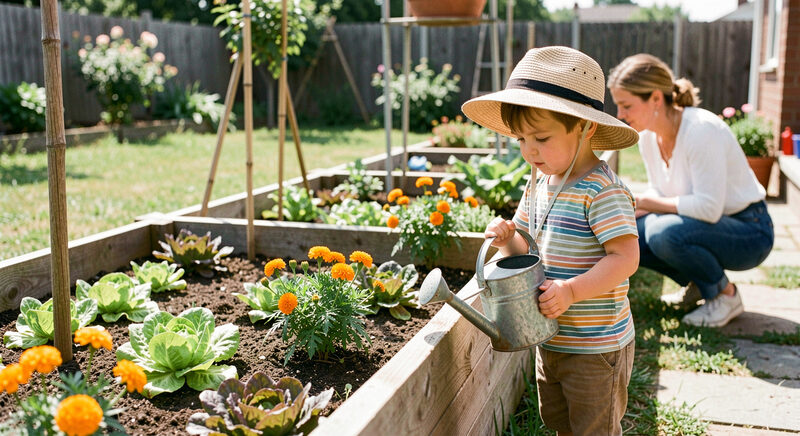
Three subjects
Grow, make, and keep it safe
Each section opens with an index of its guides. Start with the growing, move to the building and making, or go straight to the safety and care of a shared garden.
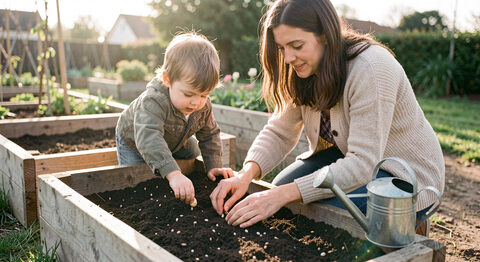 01
01Growing with Children
Starting a family garden: the first bed, the crops that forgive a beginner, pots and window boxes for small spaces, potatoes in bags, and eating what you grow.
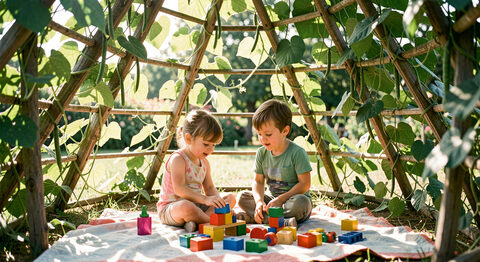 02
02Garden Play and Crafts
The garden as a workshop and a playground: a living bean teepee, a miniature garden in a dish, painted pots and plant markers, and a sandpit for digging.
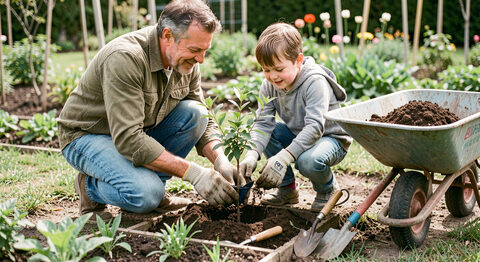 03
03Garden Care and Safety
Keeping a shared garden safe and alive: poisonous plants to know, slug control without pellets, a wildlife corner, and the routine care a family plot needs.
Section 1 of 3
Growing with Children
Starting a family garden: the first bed, the crops that forgive a beginner, pots and window boxes for small spaces, potatoes in bags, and eating what you grow.
Growing with Children
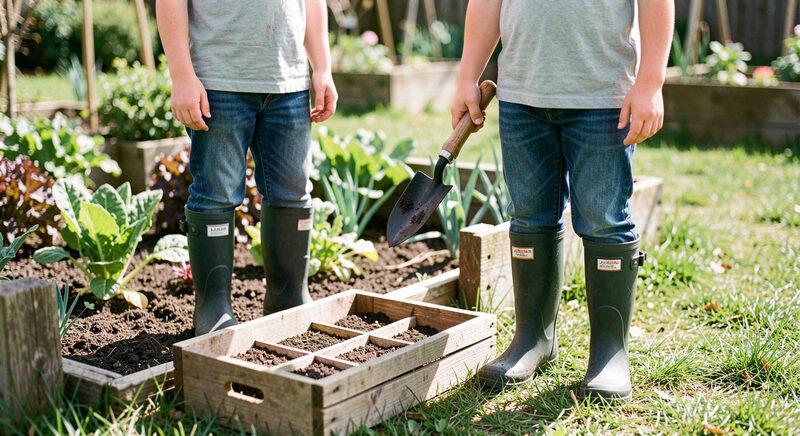
Gardening with Children
A practical start to gardening with children: planning a small plot, tools that fit small hands, sowing the first seeds and keeping the work short and regular.
A patch the size of a door, tools that fit, and a short weekly round.
Growing with Children
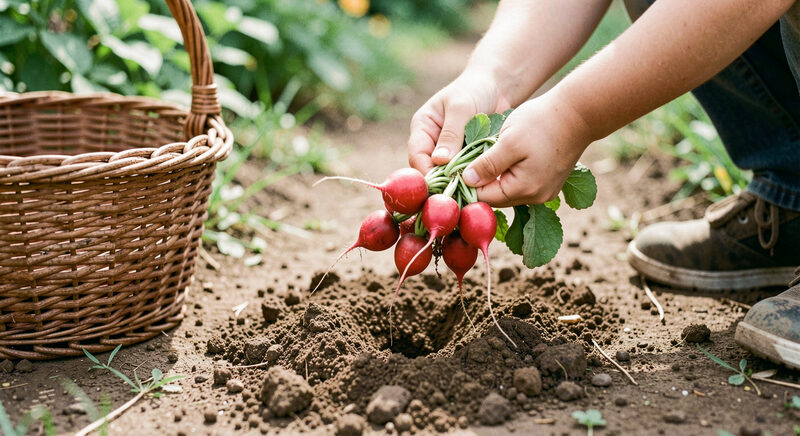
Easy Vegetables to Grow
Ten vegetables that forgive a beginner, from radishes and lettuce to peas and courgettes, with sowing times, spacing and the harvests children can pick.
Ten crops that answer within days and forgive a beginner.
Growing with Children
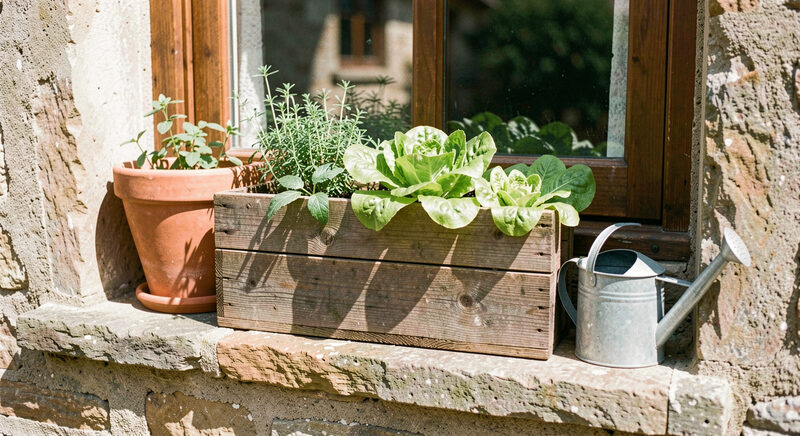
Growing Vegetables in Containers
Grow food without a garden: the pots, compost and crops that suit containers and window boxes, with watering, feeding and the vegetables that stay small.
A balcony, a step and a window box are a complete way to grow.
Growing with Children
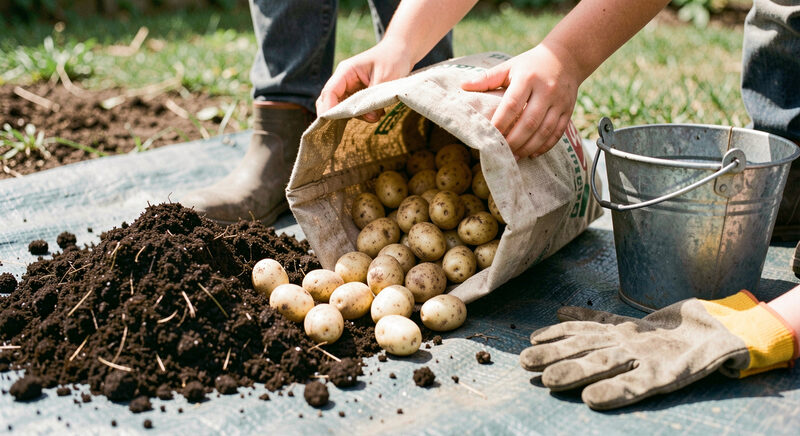
Growing Potatoes in Containers
Grow potatoes in bags, buckets and pots: choosing seed potatoes, earthing up, watering, and the day children tip out the bag to find the crop.
A bag, some seed potatoes, and a crop tipped out at the end.
Growing with Children
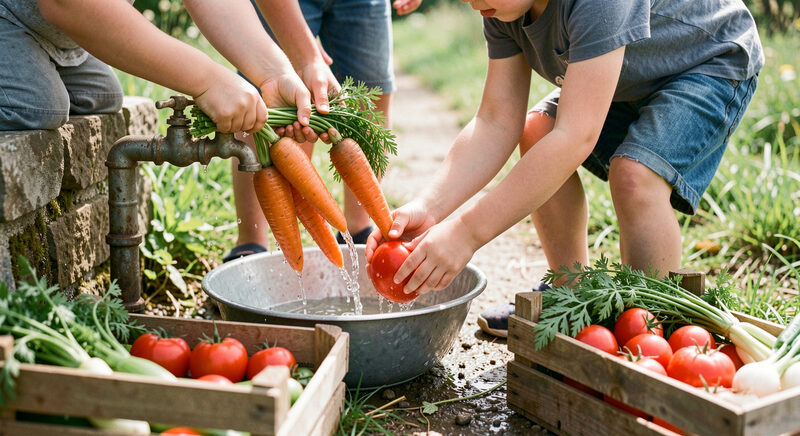
From the Patch to the Plate
How growing food changes what children eat: picking and cooking together, simple garden recipes, tasting new vegetables and keeping harvests safe to eat.
Picking, washing, cooking: the step where the garden reaches the plate.
From the archive
Guides that keep their historical addresses
This domain published an English family gardening site for children for several years. These guides answer the questions those pages answered, at the same addresses.
Restored guide
Gardening with Children
A patch the size of a door, tools that fit, and a short weekly round.
Restored guide
Easy Vegetables to Grow
Ten crops that answer within days and forgive a beginner.
Restored guide
Growing Potatoes in Containers
A bag, some seed potatoes, and a crop tipped out at the end.
Restored guide
Making a Bean Teepee
A circle of canes, climbing beans, and a den by midsummer.
Restored guide
Safety in the Garden
Plants, tools, water and chemicals: the checks that let children play.
Restored guide
A Wildlife Garden
Flowers, a log pile, safe water, and the birds and bees that follow.
Section 2 of 3
Garden Play and Crafts
The garden as a workshop and a playground: a living bean teepee, a miniature garden in a dish, painted pots and plant markers, and a sandpit for digging.
Garden Play and Crafts
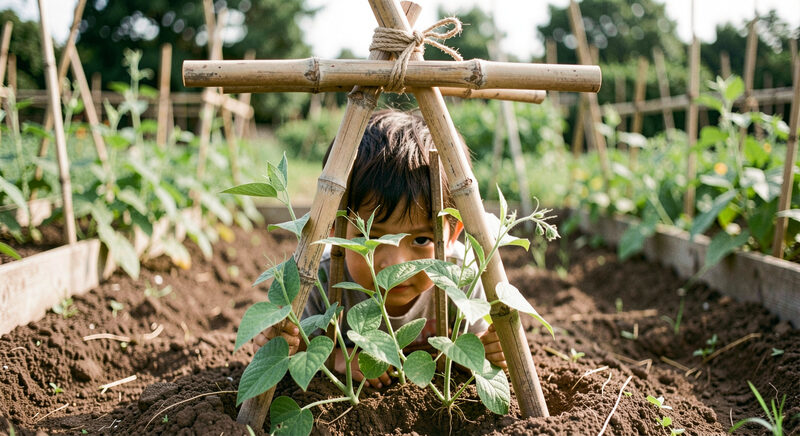
Making a Bean Teepee
Build a living bean teepee with children: choosing poles and climbing beans, setting the frame, sowing at the base and keeping the den growing all summer.
A circle of canes, climbing beans, and a den by midsummer.
Garden Play and Crafts
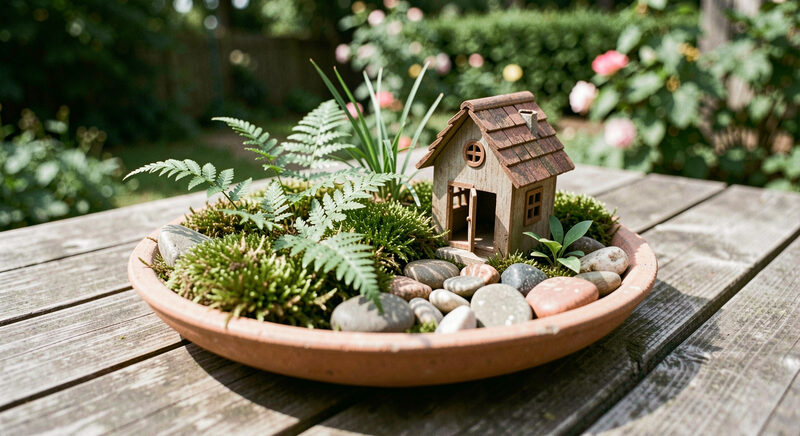
Miniature Gardens
Make a miniature garden with children: choosing a shallow container, soil, small plants and tiny props, and keeping a fairy or dinosaur scene alive outdoors.
A dish, some moss and a few props: a small world a child can keep.
Garden Play and Crafts
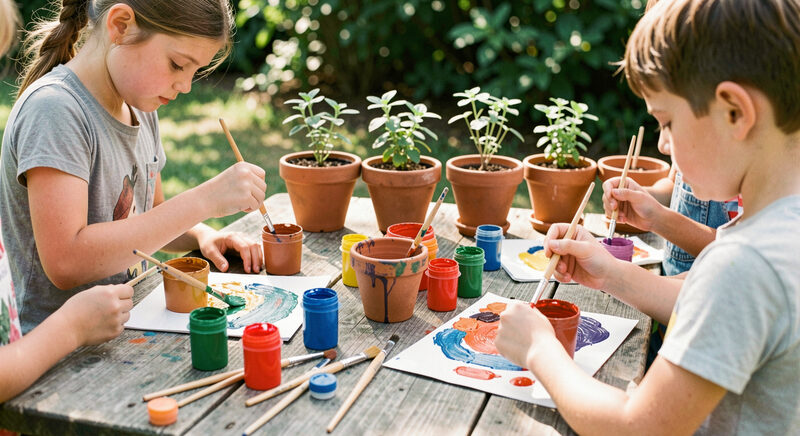
Painting Pots and Plant Markers
Paint terracotta pots and make plant markers with children: preparing the surface, choosing paint that lasts outdoors, and labelling a family vegetable bed.
Pots and markers that survive a season and label the bed.
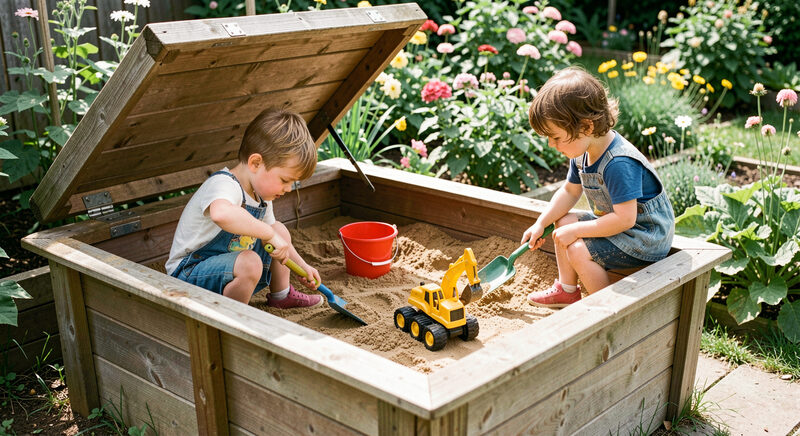
Garden Play and Crafts
The Sandpit
A sandpit guide for families: choosing a spot and a cover, the sand to buy, keeping it clean and safe, and the play it supports through the seasons.
Choosing the spot and the sand, and keeping the pit clean and safe.
The reference shelf
Where the checked advice comes from
The Sunflower Fort sells nothing and answers to no nursery or brand. Where a guide gives a specific fact, it is checked against a published source. These are the organisations the magazine relies on most.
Outside this site
RHS: Grow Your Own
The Royal Horticultural Society publishes detailed, checked growing guides for vegetables, fruit and herbs, from sowing depth to harvest.
Sowing, spacing and harvest, crop by crop.
Outside this site
KidsGardening
A long running non profit that collects garden activities, lesson plans and family projects for children of every age.
Activities and lesson plans for every age.
Outside this site
Wild About Gardens
A joint project of the RHS and The Wildlife Trusts, with practical advice on ponds, log piles and planting for wildlife.
Ponds, log piles and planting for wildlife.
Outside this site
RSPB
The Royal Society for the Protection of Birds explains what to feed, plant and build to bring birds into a small garden.
Bringing birds into a small garden.
Outside this site
Garden Organic
A charity for organic growing, with guides to composting, soil, pest control without chemicals and growing with children.
Compost, soil and pest control without chemicals.
Outside this site
RoSPA: Garden Safety
The Royal Society for the Prevention of Accidents sets out the risks in a family garden and the simple steps that remove them.
The risks in a family garden, and the fixes.
Section 3 of 3
Garden Care and Safety
Keeping a shared garden safe and alive: poisonous plants to know, slug control without pellets, a wildlife corner, and the routine care a family plot needs.
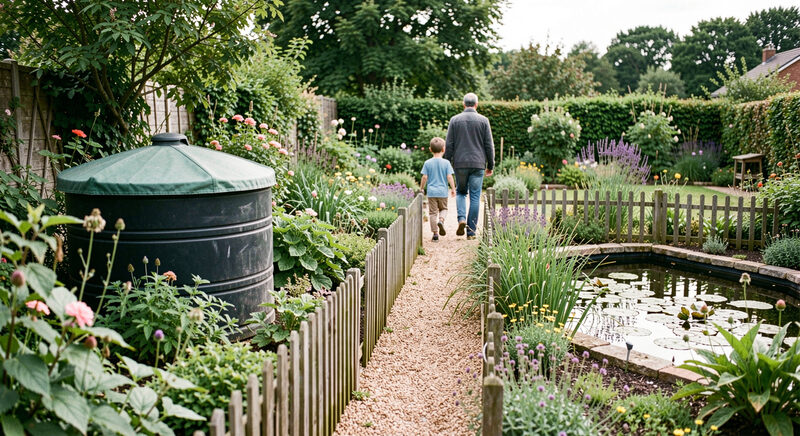
Garden Care and Safety
Safety in the Garden
Garden safety for families: poisonous plants and berries, tools, ponds, water butts and chemicals, with the checks that make a garden safe for young children.
Plants, tools, water and chemicals: the checks that let children play.
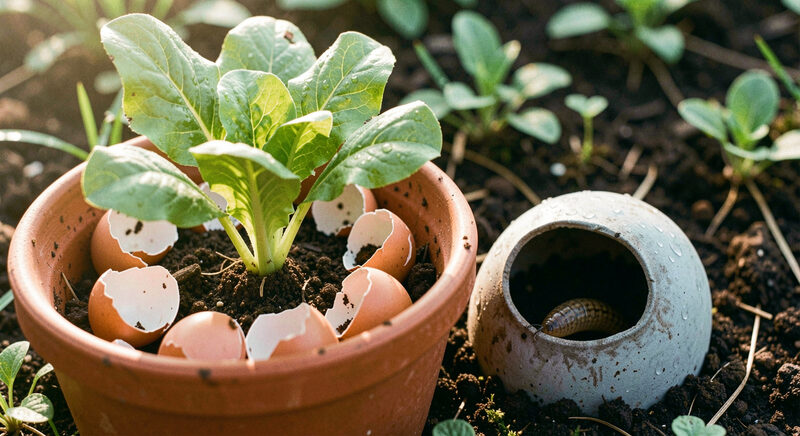
Garden Care and Safety
Organic Slug Control
Control slugs and snails without pellets: barriers, traps, timing and the garden wildlife that eats them, plus what actually protects seedlings and pots.
Barriers, traps, timing and the wildlife that does the work for free.
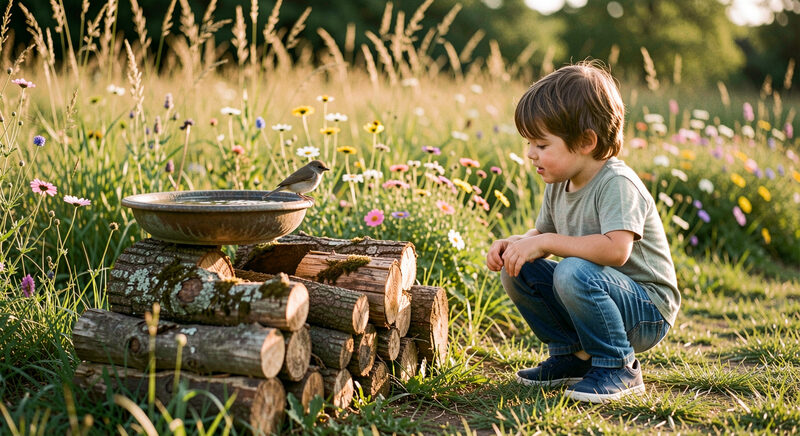
Garden Care and Safety
A Wildlife Garden
Turn a corner of the garden into a wildlife patch: nectar flowers, a log pile, a shallow water dish and the birds, bees and hedgehogs children can watch.
Flowers, a log pile, safe water, and the birds and bees that follow.
In pictures
Five scenes from the guides
Five photographs from the guides below, each with the page that explains the scene in full.
Scene 1
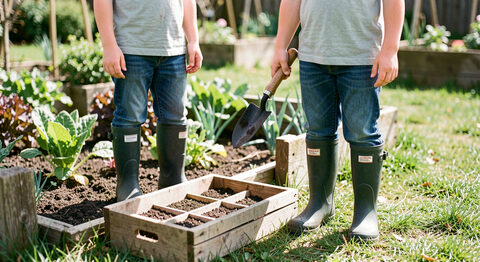
The first bed is the hardest
A patch the size of a door, a trowel that fits a small hand, and a first sowing are enough to start a family garden.
Scene 2
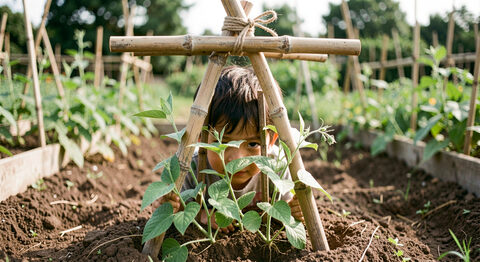
Build a den that grows
A circle of canes, a packet of climbing beans and an afternoon of work turn into a leafy room by midsummer.
Scene 3
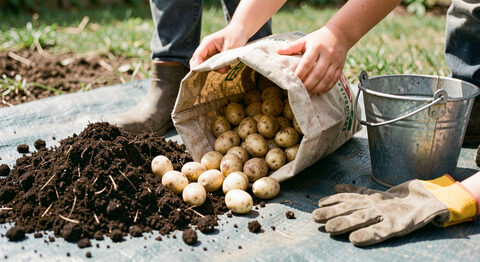
The bag that gives up its crop
Potatoes grow happily in a bag on a patio, and the harvest is tipped out in a single, unforgettable moment.
Scene 4
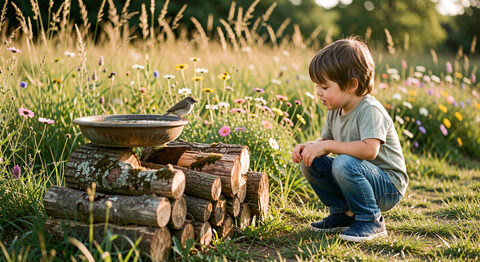
Leave a corner wild
Nectar flowers, a log pile and a shallow dish of water bring bees, birds and frogs into the smallest garden.
Scene 5
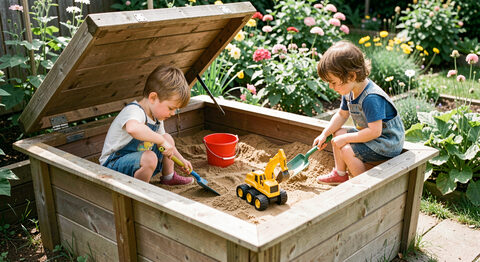
The most used metre of the garden
A covered sandpit earns its space in a small garden, and it holds a child longer than almost any toy.