Garden Care and Safety
Garden Care and Safety
Keeping a family garden safe and healthy: poisonous plants to know, gentle slug control, a wildlife corner and the routine care a shared garden needs.
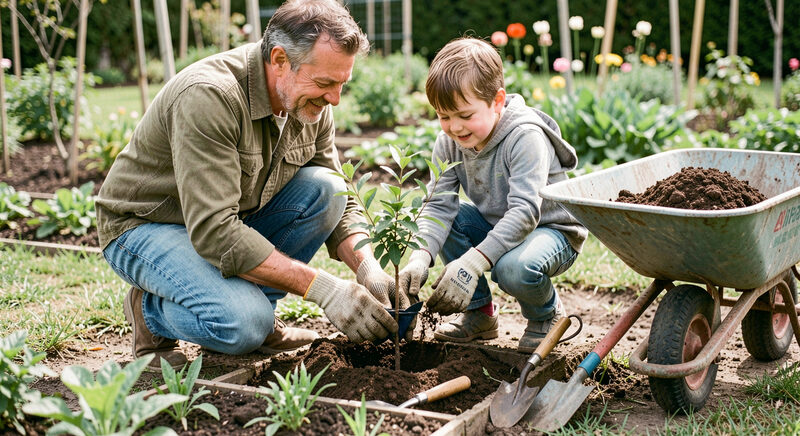
A family garden has to be two things at once: a place where children can play freely, and a place where plants, tools and water are managed. Those two aims are not in conflict, but they do need a little thought. Most of the work is done once, when the garden is set up: moving a few poisonous plants, covering a pond, locking the shed and putting the chemicals out of reach. After that, the garden is simply a garden, and the routine care of the plot becomes part of the play. This section gathers the guides that keep a shared garden safe and healthy.
Make the garden safe first
The safety check is the place to start, because it removes the few serious risks and lets everything else happen without an adult watching every move. The main dangers are poisonous plants and berries, sharp tools, water, chemicals and a handful of everyday things such as loose paving and a full water butt. The guide to garden safety with young children walks through each of them and gives the practical steps: which plants to move, how to cover a pond, where to store tools and chemicals, and what to check before a child plays.
Walk the garden once with a notebook and note what is growing. A list of the plants in the plot, checked against a local source for toxicity, is a small job that answers most of the worry.
Manage pests without chemicals
Slugs and snails are the first real enemy a family garden meets, and the usual answer, blue pellets, is the one thing many families would rather keep away from a garden where children play and eat. The guide to organic slug control sets out the alternatives that work: barriers of crushed eggshell, grit and copper tape, beer traps sunk into the soil, night patrols with a torch, timing so that seedlings are planted out when they are large enough to survive, and the predators that do the work for free.
That last point is the thread that runs through this section. A garden that welcomes frogs, beetles, hedgehogs and birds has fewer pests, not because the pests are killed outright but because their numbers stay in check. Pest control and wildlife gardening are the same job seen from two sides.
Leave a corner wild
The wildlife corner is the most rewarding part of a family garden, and it costs almost nothing. A patch of nectar flowers, a log pile, a shallow dish of water and a nest box bring birds, bees, butterflies and beetles into the plot, and they give a child something to watch and record. The guide to making a wildlife garden covers the plants to choose, how to build a log pile and a dead hedge, how to provide water safely when children are small, and how to keep a simple nature notebook.
A garden that is left slightly untidy over winter, with seed heads standing and hollow stems intact, has more life in it the following spring. The wild corner is a good place to teach a child that not every corner needs to be neat.
The routine care of the plot
Beyond safety and pests, a garden needs ordinary looking after: watering in dry spells, weeding before the weeds seed, cutting back, mulching, and putting beds to rest in autumn. Much of this is covered in the growing guides, and it is work that a child can share. A compost heap is a good family project, because it turns kitchen and garden waste into the soil that feeds the next crop, and it gives a child a job that has a visible result.
Keep the tools in order and the shed tidy, and check the garden after a storm for loose branches, fallen fences and damaged structures. A few minutes after bad weather saves an accident later.
Let children take the lead
The best safety and care routines are the ones a child understands and helps keep. Teach the rules that matter, such as washing hands after the garden, not eating anything without asking, and staying away from the water, and explain why each one exists. A child who knows why a pond is covered is less likely to try to climb the fence.
Give older children real responsibility: checking the sandpit for debris, filling the bird bath, collecting eggshells for the slug barrier, or writing the nature notes. Responsibility is the best teacher, and it turns a set of rules into a habit.
A seasonal care calendar
Care runs on the calendar as much as on the day. In spring, check the safety points, clear the beds, spread compost and start sowing; check the pond cover and the sandpit before the season of play begins. In summer, water in dry spells, keep weeds down before they seed, watch for pests and keep the bird bath topped up. In autumn, clear spent crops, plant garlic or a green manure, empty and store the pots, and leave the wild corner standing. In winter, plan the next year, repair tools and structures, and check the garden after storms for loose branches and damaged fences.
A short written list for each season, kept with the tools, stops the important jobs being forgotten and gives a child a sense of what the garden expects at each time of year. Tick off the jobs as they are done, and the list becomes a record of the garden's own year.
Where this section leads
Care and safety close the circle of the magazine. The growing guides fill the beds and pots, the play and craft guides build the den, the miniature garden and the sandpit, and this section keeps the whole garden safe and alive. A family that works through all three ends up with a plot that is productive, playful and sound, which is the whole point of gardening with children.
Garden Care and Safety
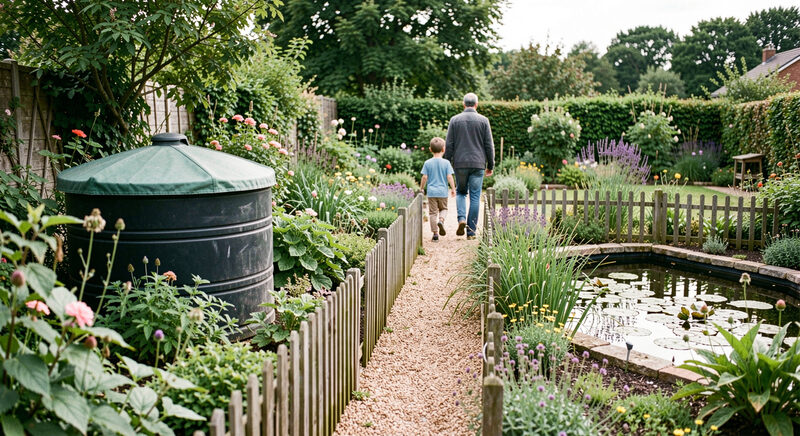
Safety in the Garden
Garden safety for families: poisonous plants and berries, tools, ponds, water butts and chemicals, with the checks that make a garden safe for young children.
Plants, tools, water and chemicals: the checks that let children play.
Garden Care and Safety
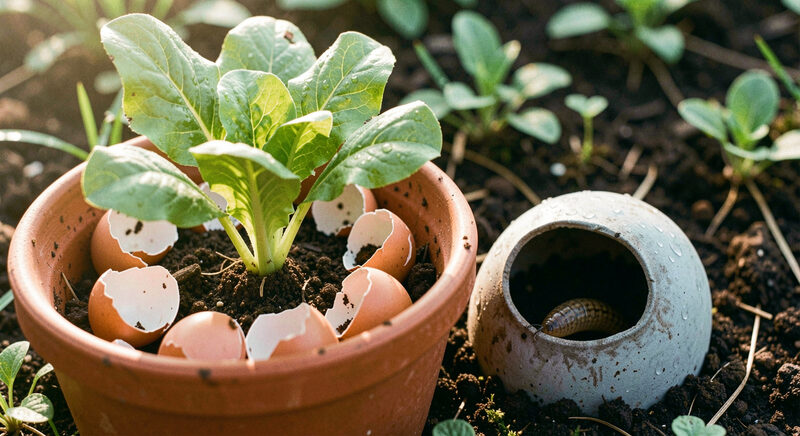
Organic Slug Control
Control slugs and snails without pellets: barriers, traps, timing and the garden wildlife that eats them, plus what actually protects seedlings and pots.
Barriers, traps, timing and the wildlife that does the work for free.
Garden Care and Safety
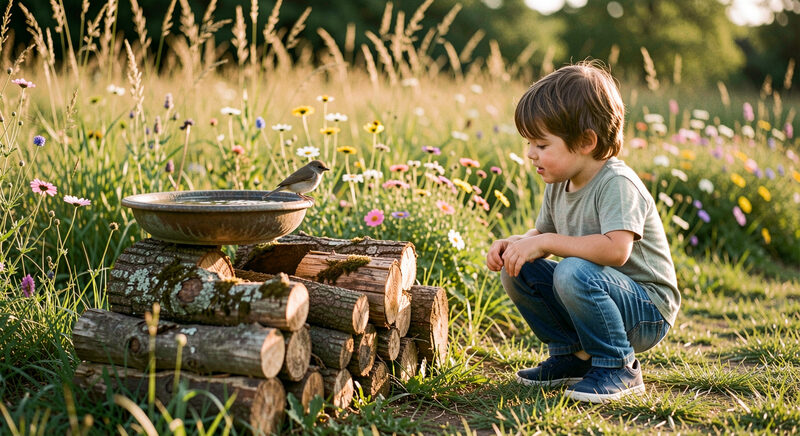
A Wildlife Garden
Turn a corner of the garden into a wildlife patch: nectar flowers, a log pile, a shallow water dish and the birds, bees and hedgehogs children can watch.
Flowers, a log pile, safe water, and the birds and bees that follow.